The past year has marked a quiet but profound turning point for the JMKF. What began as a carefully imagined intervention has matured into something far more enduring: a lesson in how thoughtful partnerships, local trust, and moral clarity can turn a temporary project into a permanent public good.
At the heart of this journey sits the Jamii Salama (Safer Communities) Project in Tabora Region. Conceived under the visionary leadership of the Foundation’s Settlor and Chairman, H.E. Former President Dr. Jakaya Mrisho Kikwete, the project was born from a simple but urgent question: what does healthcare look like when distance, poverty, and geography conspire against expectant mothers? The answer, it turned out, required both imagination and resolve.
The formal launch of Jamii Salama at State House in Chamwino, Dodoma, officiated by President Dr. Samia Suluhu Hassan herself, gave the initiative not only national visibility but also moral weight. Her consistent emphasis on maternal and child health served as a reminder that development is not measured only in kilometres of tarmac or pages of policy, but in lives made safer and futures made possible.
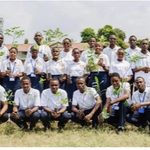
For four remarkable months, the project rewrote daily realities in some of Tabora’s most remote communities. Mothers who once walked up to 30 kilometres for basic care were instead met by mobile clinics. Antenatal services, malaria screening, oral health checks, and patient follow-ups arrived at their doorsteps, delivered by trained Community Health Workers whose knowledge had been refreshed by national trainers from the Ministry of Health.
During the project, over 1,500 women were reached half of them attending a clinic for the very first time. There was just one miscarriage. And in the village of Usagari, a healthy set of triplets arrived, quietly symbolising what is possible when care meets commitment.
Behind these outcomes stood a rare alignment of institutions. From the international goodwill of S.C. Johnson, under the stewardship of Dr Fisk Johnson III, to the coordinated support of the Ministry of Health, the Prime Minister’s Office – Regional Administration and Local Government, and the leadership of Tabora Region and its Uyui and Sikonge districts, Jamii Salama became a shared endeavour rather than a borrowed one.
When the mobile clinics prepared to wind down and project materials were handed over to regional authorities, something unexpected happened. Communities in Uyui and Sikonge did not plead for another short extension. They asked for permanence. And the Board of Trustees of JMKF listened. What followed was a deliberate decision to transform success into sustainability.
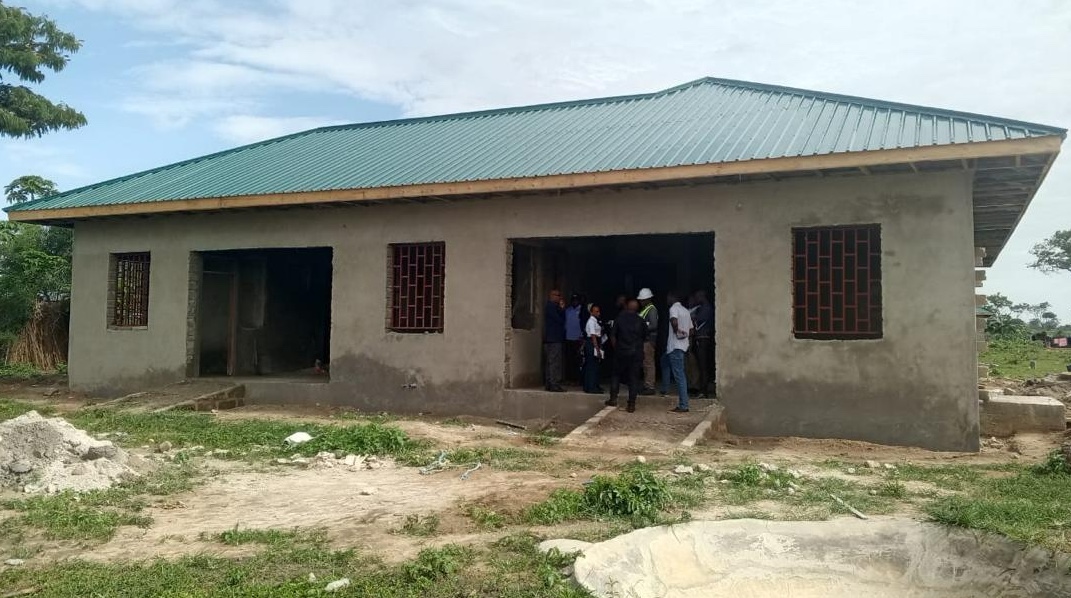
With renewed financial support from S.C. Johnson, the Foundation committed to constructing two fully fledged dispensaries in Gengesita and Ipembe, facilities that will offer OPD, RCH services, maternity wards, staff housing, and essential waste management infrastructure.
These dispensaries, rising steadily from the ground as we speak, and promising to serve more than 36,000 residents long after project reports are filed away, are expected to be completed this February.
In Tabora, Jamii Salama has proven a simple truth: when a project is rooted in dignity and delivered with care, its greatest legacy is not what it finishes, but what it makes possible next.