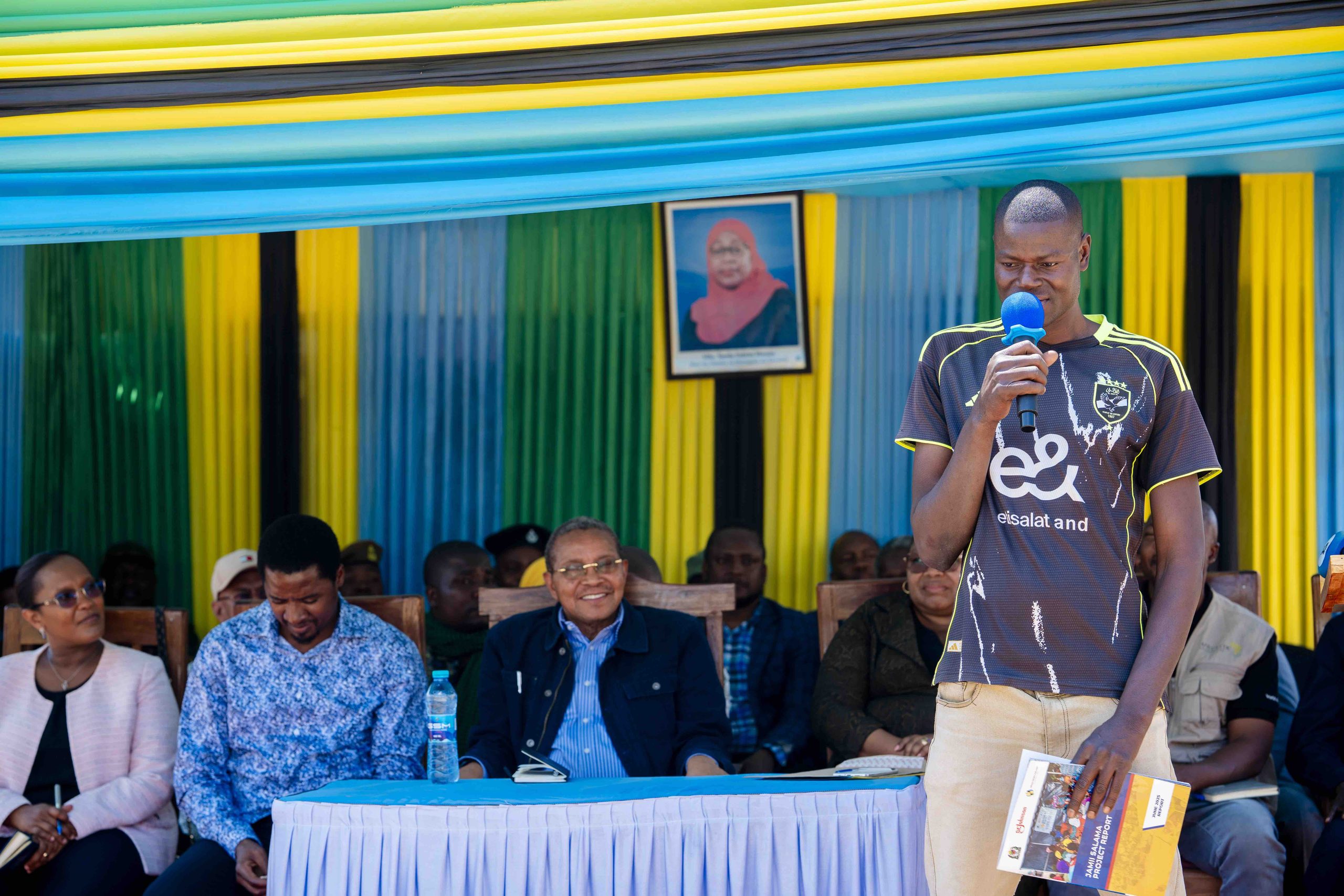
Paulo Lutema Majegelo brought laughter to a gathering at Gengesita Dispensary as he explained how his family had unexpectedly grown by three. Behind his cheerful account, however, lay a morning when his wife’s life was in danger.
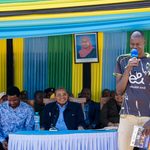
He was speaking during former President Dr Jakaya Mrisho Kikwete’s four-day working tour of Tabora Region, inspecting healthcare initiatives supported by the Jakaya Mrisho Kikwete Foundation. His wife, Anna Theopil James, and their children were absent, leaving Paulo to tell their story.
Anna, now 29, lived more than 14 kilometres from the nearest dispensary and over 112 kilometres from the Kitete Tabora Regional Hospital. Those distances complicated both routine pregnancy care and preparations for an emergency.
On 18 March 2025, when she was seven months pregnant, Anna attended a Jamii Salama mobile antenatal clinic with Paulo. Health workers detected dangerously low blood levels and high blood pressure. An ultrasound suggested she was carrying twins.
The team supplied medication and supplements and advised her that she must deliver at the regional hospital, where specialist care would be available. Identifying the danger was an essential first step; reaching that care remained another challenge.
Before dawn on 10 June, Anna went into labour at home. With no ambulance readily available, Paulo placed her on a bicycle and set off to find help.
They reached Mpumbuli village, where Anna could travel no further. A Good Samaritan, a newly qualified pharmacist nearby, assisted her, and at around six that morning she delivered inside a dusty village home.
There were three babies: a boy and two girls. The expected twins had arrived with company, a surprise Paulo could eventually describe with amusement. At the time, the family had little opportunity to celebrate.
Anna began convulsing. She was suffering from eclampsia, a life-threatening pregnancy complication, and needed urgent medical attention.
A community health worker contacted the Jamii Salama team. After initial stabilisation locally, the team transported Anna in the project vehicle to Kitete Tabora Regional Hospital. Doctors treated her and administered a blood transfusion, while the babies received neonatal intensive care.
Anna and all three children survived.
Their names preserve the family’s gratitude. Marcelina-Kulwa honours the project’s Regional Coordinator, while Jakaya-Doto carries Dr Kikwete’s name. Their sister, Shija, bears a Sukuma name traditionally given to a third-born child.
The account explains how outreach, community contacts and emergency transport worked together. The antenatal clinic detected risks, a health worker raised the alarm, and the project vehicle helped Anna reach hospital treatment.
At Gengesita, Paulo could finally tell the story with laughter.
His family’s survival had depended on people responding when a bicycle journey became a medical emergency. For those listening, he made the purpose of accessible maternity care immediately understandable through one household’s experience.