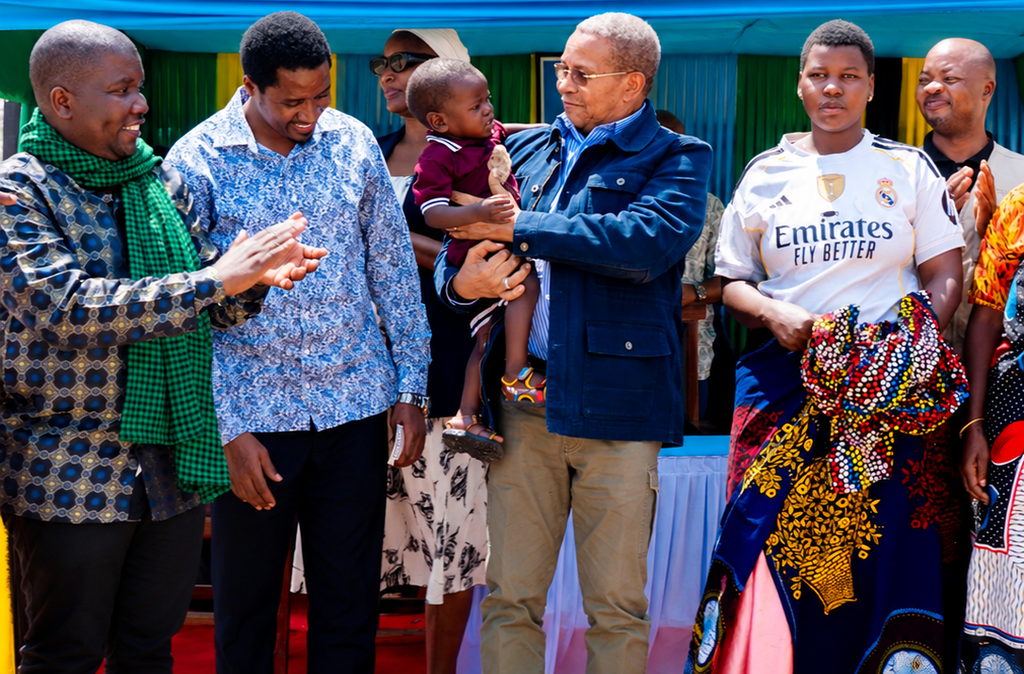
Little Jakaya arrived at his meeting with former President Dr Jakaya Mrisho Kikwete with no speech to deliver. His mother, Mariam, had brought the story, and the boy’s presence supplied its happiest detail.
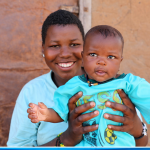
This was during Dr Kikwete’s visit to Tabora Region, when Mariam brought her son from Nyankombe Village to meet the man whose name he carries. As the former President held him, their photograph brought a family’s experience of healthcare into view.
That experience began with distance.
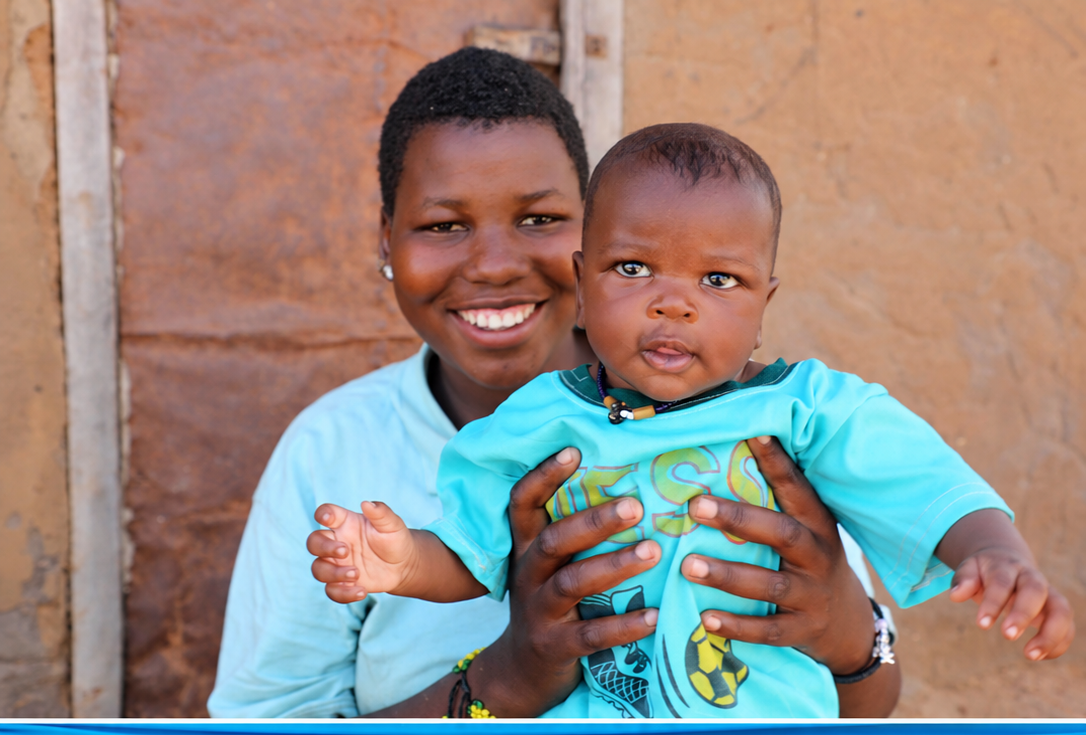
Mariam lived approximately 30 kilometres from the nearest health facility and had received no antenatal care during her pregnancy. For someone with a vehicle outside the door, 30 kilometres may sound like a modest journey. For a pregnant woman who must arrange transport from a remote village, it can determine whether care is reached at all.
Antenatal appointments provide opportunities for health workers to assess a pregnancy, offer advice and prepare for delivery. Mariam had gone without those visits, leaving her without regular professional support as her pregnancy progressed.
When a Jamii Salama mobile clinic reached Nyankombe, health workers found her already in labour. The service had arrived at a moment when arranging her own journey would have been especially difficult.
The team assessed her situation and organised a transfer to Miyenze Dispensary. There, Mariam safely delivered her son.
She named him Jakaya Paschal in gratitude to Dr Kikwete and health worker Paschal Simon, who helped her deliver. It was a thank-you that would become part of everyday family conversation, repeated whenever someone called the child home or asked his name.
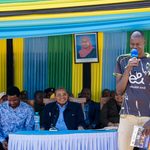
Their later meeting took place during Dr Kikwete’s tour to inspect healthcare initiatives supported by the Jakaya Mrisho Kikwete Foundation. For Mariam, it offered an opportunity to show him the child whose safe arrival she associated with the project and personally thank him for the Jamii Salama initiative.
Her experience also explains why Jamii Salama combines mobile outreach with investment in permanent facilities. Each addresses a different part of the same difficulty: reaching professional care when families need it.
A mobile team can visit communities, assess patients and arrange referrals. A nearby dispensary provides somewhere to seek help between those visits when a pregnancy concern or a child’s illness cannot wait for the next outreach.
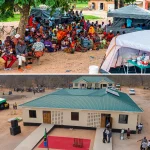
The project’s dispensaries at Gengesita in Uyui District and Ipembe in Sikonge District are intended to reduce the journeys families have long faced.
During the same tour, Paulo Lutema Majegelo described how the Jamii Salama team helped his wife, Anna, reach hospital after she delivered triplets and developed a dangerous complication. One of their babies also bears the name Jakaya.
For Mariam, the explanation was close enough to hold. Her son had arrived safely after the team helped her reach care. At their meeting, she could place him in his namesake’s arms and let the photograph record the occasion.