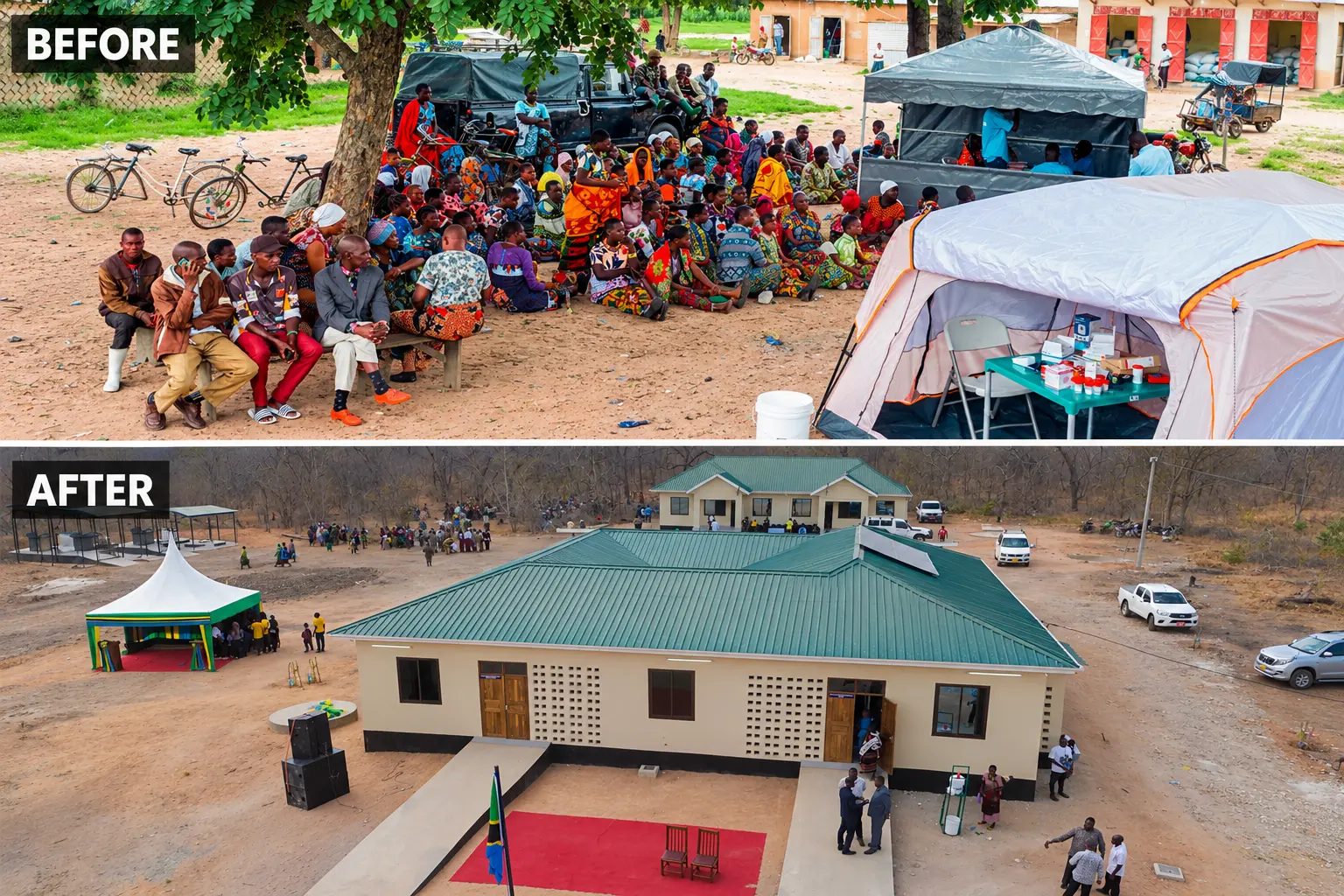
In remote parts of Tabora, a pregnancy check-up could begin with a search for transport and money for the journey. By the time a family had settled those questions, the consultation was still many kilometres away.
Jamii Salama set out to reduce that distance for communities in Uyui and Sikonge districts. Its approach combined mobile clinics that could reach villages promptly with permanent facilities where residents could seek care between outreach visits.
The Jakaya Mrisho Kikwete Foundation developed the project with government health and local authorities, supported by funding from S.C. Johnson & Son.
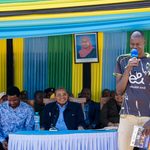
President Samia Suluhu Hassan formally launched Jamii Salama at Chamwino State House on 1 February 2025. Within days, mobile teams were travelling through the two districts with medicines, diagnostic equipment and portable ultrasound machines.
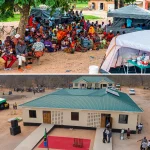
At outreach sites, tents served as temporary consultation rooms. Expectant mothers received antenatal checks, children were screened for malaria, and patients requiring further attention were referred to health facilities.
For women who had missed pregnancy appointments because of distance, this brought an opportunity to speak to health workers closer to home. It also allowed teams to identify people who needed an urgent referral.
Mariam of Nyankombe Village was among them. Her nearest health facility was approximately 30 kilometres away, and she had received no antenatal care during her pregnancy.
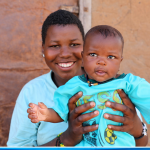
When the mobile team found her already in labour, health workers arranged transport to Miyenze Dispensary, where she safely delivered a boy. Her family named him Paschal Jakaya in gratitude to members of the team and the Foundation’s founder.
That delivery illustrates what outreach can achieve when a visiting team encounters someone needing immediate help. It also exposes the limits of relying on visits alone: illness rarely checks whether the clinic is due that day.
Permanent dispensaries were therefore part of the project’s response. Facilities were developed at Gengesita, in Uyui’s Kizengi Ward, and Ipembe, in Sikonge’s Kiloli Ward.
Each site also received two staff houses, providing accommodation near the dispensaries. Together, the construction work delivered two equipped facilities and four houses.
Gengesita village elder Edward Mwalilu described the change in terms families could readily understand: “For the first time, our children will grow up with a dispensary in their own village.”
District councils and Tabora regional authorities worked with JMKF on implementation, while the government assumed responsibility for assigning health workers and arranging essential services.
Reliable transport remains necessary for outreach. At the regional launch, then Regional Commissioner Paul Matiko Chacha urged those responsible for project vehicles to maintain them and use them for the intended communities.
For residents, the purpose is practical: shorter journeys for pregnancy checks, somewhere closer to take a sick child, and health workers within easier reach.