Tanzania faces a critical challenge of deforestation, with an estimated 469,000 hectares of forest lost annually. According to the 2022 Zanzibar Population and Housing Census, about 46.9% of households in Zanzibar use firewood as their main cooking fuel, and 28.9% use charcoal, while 12.6% use gas. This confirms that about half of the households in Zanzibar still depend on firewood or charcoal made from trees for cooking, despite growing efforts to shift toward clean energy.
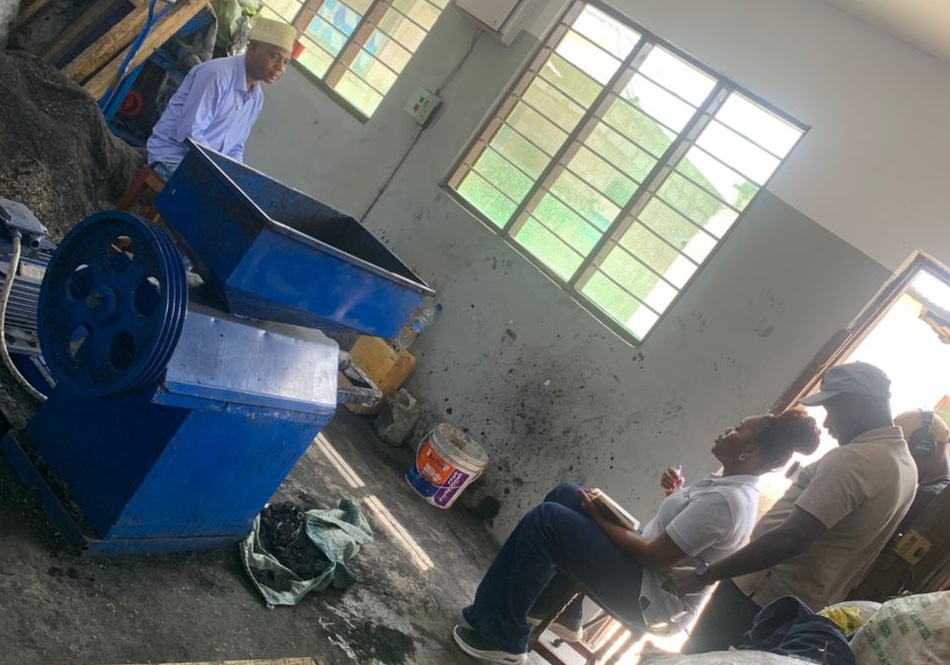
Amidst this reality, an inspiring story is unfolding in Fuoni, Pangawe – Zanzibar, where a youth entrepreneurship group known as Tujikwamue Kijana (Youth, Let’s Rise Up) is pioneering a solution. The group is turning sugarcane waste into smoke-free, environmentally friendly charcoal. Their work is a testament to how innovation can combat environmental challenges while creating livelihood opportunities.
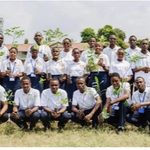
Founded in 2021 under the leadership of Idi Ame Ali and supported by 15 dedicated members, Tujikwamue Kijana has grown into a model of sustainable youth enterprise. They acquired their skills through a UNICEF Tanzania program that emphasized transforming waste into valuable products. With startup machines provided by UNDP Tanzania and a grant from UNICEF in Tanzania, the group was able to set up their production line in a small district of Fuoni, in Zanzibar.
To date, the group has produced 36,000 kilograms of charcoal from sugarcane waste. On average, they sell more than 20 sacks of charcoal per month, serving customers not only in Zanzibar but also in Dar es Salaam and Morogoro. Their eco-friendly charcoal has quickly gained traction among households and businesses that are increasingly aware of the dangers posed by traditional fuels.
The group’s impact extends beyond innovation. They have created 25 employment opportunities for youths aged 19–32, providing income and skills development in a region where youth unemployment remains a pressing challenge. Their partnership with Zanzibar Broadcasting Cooperation ( ZBC) and the Ministry of Clean Energy in Zanzibar further underscores the importance of public-private collaboration in fostering sustainable solutions.
By turning sugarcane waste into clean, smoke-free charcoal, Tujikwamue Kijana is addressing deforestation, improving community health, and advancing green energy alternatives. Their story is not just about a product; it is about how young people are taking the lead in shaping a sustainable future for Tanzania.
To learn more and see how this charcoal (Mkaa Mbadala) is transforming lives in Tanzania, watch the full episode now on our Youtube channel here