
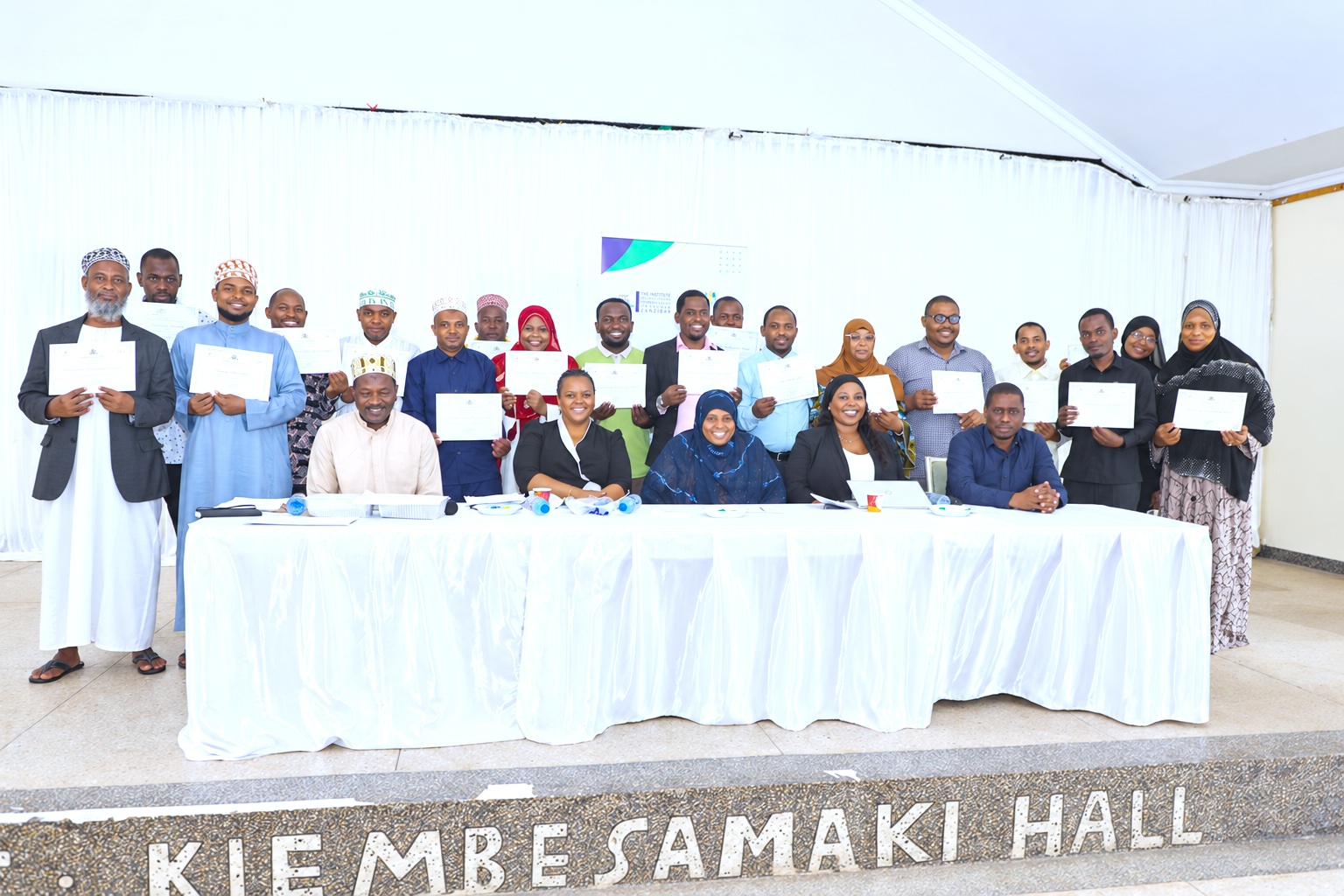
A smartphone can keep its owner thoroughly informed about football while tomorrow’s lesson remains unprepared. At Zanzibar’s first EdTech Forum, teachers were encouraged to give the device a little more classroom responsibility.
Opening the gathering at Kiembe Samaki Secondary School on 19 September 2026, Zanzibar’s Director of Secondary Education, Asya Iddi Issa, urged educators to make technology part of their everyday teaching.
Her message addressed a familiar staffroom habit: leaving anything involving a screen to the ICT teacher. Digital learning, she explained, requires participation across subjects, with every teacher making an effort to understand the tools available.
“Teachers should do everything possible to put what they learn into practice. They should also make a deliberate effort to understand and embrace technology, rather than relying solely on ICT teachers,” she said.
What does that mean during an ordinary school day? Teachers can use their devices to research a topic, prepare lessons, locate reliable learning materials and find clearer ways of explaining difficult concepts. The educational value comes through purposeful use.
The forum brought together education officials, headteachers, ICT teachers, students and partners under the theme “Showcasing Digital Learning, Innovation and the Future of Education in Zanzibar”.
Ten secondary schools presented digital projects and classroom experiences. These demonstrations allowed participants to examine work already being undertaken and discuss the practical difficulties behind it.
The gathering formed part of an In-Service Education and Training initiative, known as INSET, implemented since July 2024 by the Jakaya Mrisho Kikwete Foundation, Zanzibar’s Ministry of Education and Vocational Training, Lyra Africa and participating schools.
The initiative helps teachers incorporate digital tools into lessons while strengthening students’ digital literacy. It also encourages schools to make better use of their existing ICT facilities.
Communities of Practice provide another layer of support, allowing teachers to exchange ideas and work through problems together. Training introduces a technique; a colleague can help when its first classroom outing becomes unexpectedly adventurous.
School representatives discussed connectivity, equipment maintenance, digital resources and continuing support for teachers. Ministry officials outlined government priorities, while partners, including the Milele Foundation, contributed experiences and recommendations.
These practical requirements affect whether a prepared lesson actually reaches students. Enthusiasm cannot repair equipment or persuade an unavailable connection to return before the bell.
Artificial intelligence also featured in Ms Issa’s remarks. She encouraged its use for research and developing ideas while warning against copying, cheating and submitting work without genuine effort.
“Artificial intelligence should support learning, not replace effort, integrity or critical thinking,” she said.
The forum concluded with presentations, awards and plans for an action framework assigning responsibilities and timelines. Its classroom follow-through will depend on teachers practising what they learnt and receiving support when difficulties arise during ordinary teaching.