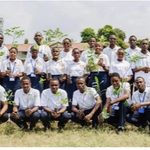

At the Jakaya Mrisho Kikwete Foundation, we believe that lasting change begins when young people are trusted with both knowledge and responsibility. That belief guided the Baharimania Animation Screening, delivered under the Beyond the Shoreline: Youth Championing Ocean Conservation program. Through this program, the Jakaya Mrisho Kikwete Foundation reached 16 secondary schools across four municipalities in Dar es Salaam, engaging over 1,000 students and teachers, with strong participation from girls and young women. We used a simple but powerful approach, combining storytelling, classroom dialogue, and hands on action to help students connect everyday choices with the health of our ocean. This led to beach
The Baharimania animation became an entry point for honest conversations about plastic waste, marine life, and community responsibility. Each screening opened space for dialogue rather than instruction. Students asked thoughtful questions, debated choices made by the characters, and reflected on how their own habits affect the ocean. Screenings were followed by open conversations, workshops, and student led questions that helped students with connecting the story on screen with real life conditions within their schools and neighborhoods. The volume of questions raised during sessions was a quiet signal of something important: curiosity had been sparked, and ownership was taking root.
Learning carried on naturally into action. Students took their understanding to the shoreline, leading to beach cleanups that removed nearly 17 tonnes of waste from the coastal and mangrove areas, while gaining practical skills in observation, teamwork, and evidence-based thinking. As they collected the waste, they also built data collection skills and environmental awareness by learning how data can tell a story about consumption, types of common materials, waste systems, and environmental impact.
What emerged was not a one-day activity, but a shift in perspective. Students quickly began to see themselves as part of the solution. Teachers reported richer classroom discussions. Mentors observed stronger confidence among participants. Students spoke openly about changing habits at home and encouraging peers to do the same. By blending animation, science, and lived experience, the screening helped plant the idea that stewardship is not assigned, it is learned, practiced, and sustained.
The Baharimania experience reaffirmed our commitment to youth centered education that is thoughtful, culturally relevant, and action oriented. It showed that when young people are given the right tools and trusted to engage, they respond with insight, care, and responsibility. These are the foundations on which long term environmental stewardship is built, and they are already taking root beyond the shoreline.