Malaria continues to be a significant public health concern, claiming an estimated one life every minute globally, with many deaths occurring in Africa. In Tanzania, the national malaria prevalence among children aged five years and under has decreased from 18% in 2008 to 8% in 2022. However, regional disparities persist; with Tabora region having a prevalence rate of 23%, one of the highest prevalences in Tanzania.
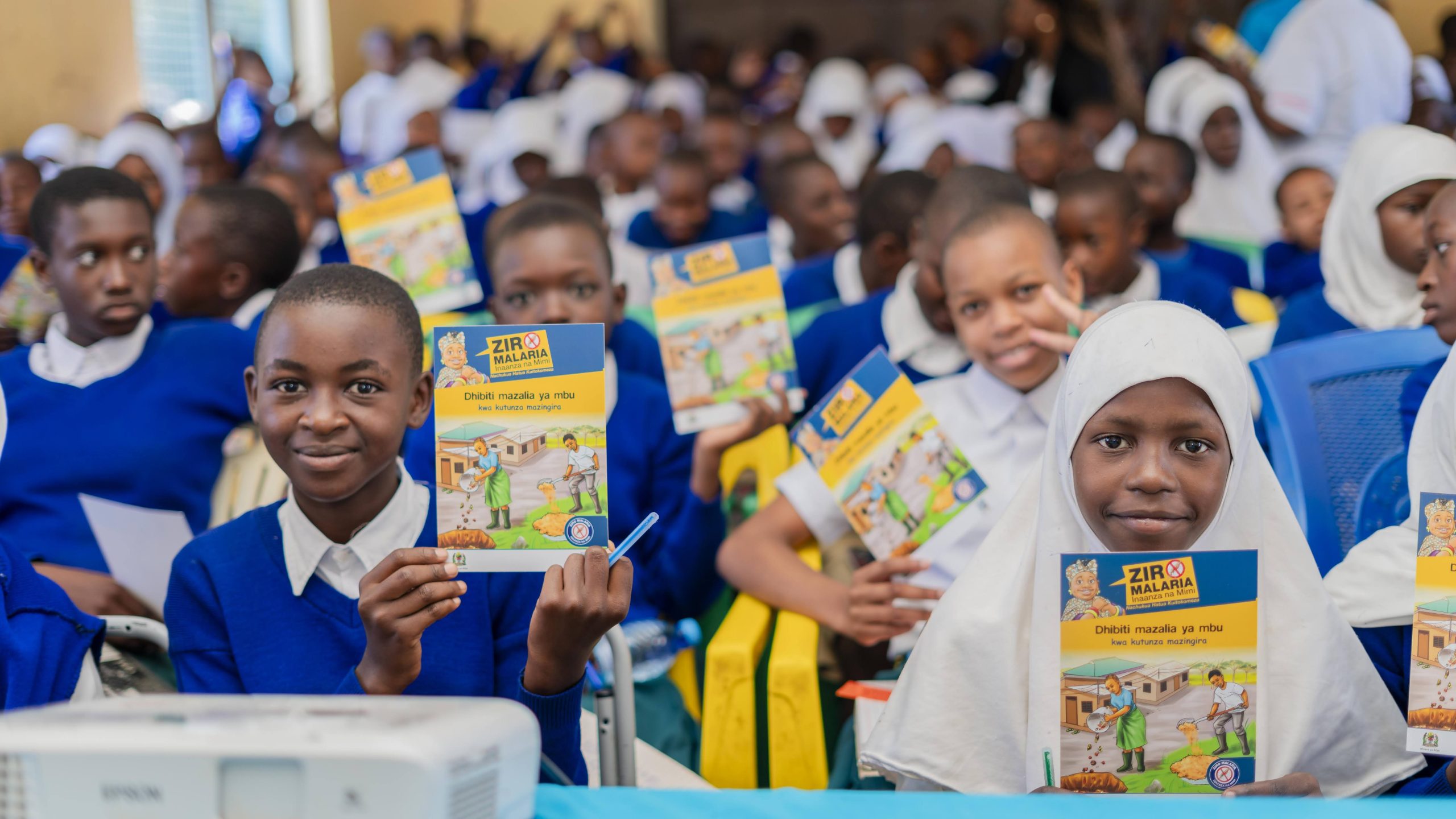
In alignment with the 2025 World Malaria Day theme, “Malaria Ends with Us: Reinvest, Reimagine, Reignite,” the Jamii Salama (safer communities) project, spearheaded by the Jakaya Mrisho Kikwete Foundation (JMKF), has been actively working to combat malaria in Tabora. From February to April, the project reached 3,082 primary school children, providing them with essential education on malaria prevention and the importance of seeking timely treatment.
World Malaria Day Commemoration at Isike Primary School
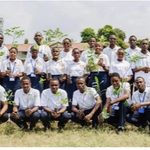
A significant highlight of the Jamii Salama program was the commemoration of the 2025 World Malaria Day at Isike Primary School in Tabora Municipal, which reached 209 students with malaria prevention. Using innovative storytelling the event showcased the Mbu Land (Mosquito Land) animation, convey malaria prevention, detection and treatment-related messages to school children.
The event was graced by General Practitioner (GP), Dr Nassoro Kaponta and the Reproductive and Child Health Coordinator (RCHCo) Ms Audrey Bakuza, of Tabora Municipal. Both officials underscored the importance of preventive measures and the necessity of seeking medical attention at the onset of malaria symptoms.
Our efforts are part of a broader national strategy to eliminate malaria by 2030 and reduce malaria prevalence among children under five to less than 3.5% by 2025. As we reflect on the strides made, it’s imperative to continue investing in innovative approaches and community-driven initiatives for education.
At JMKF, we believe that empowering communities, especially the youth, with knowledge and resources is pivotal in the fight against malaria. Through education, community involvement, and strategic partnerships, together, we can envision a malaria-free future for Tanzania. It ends with us.