
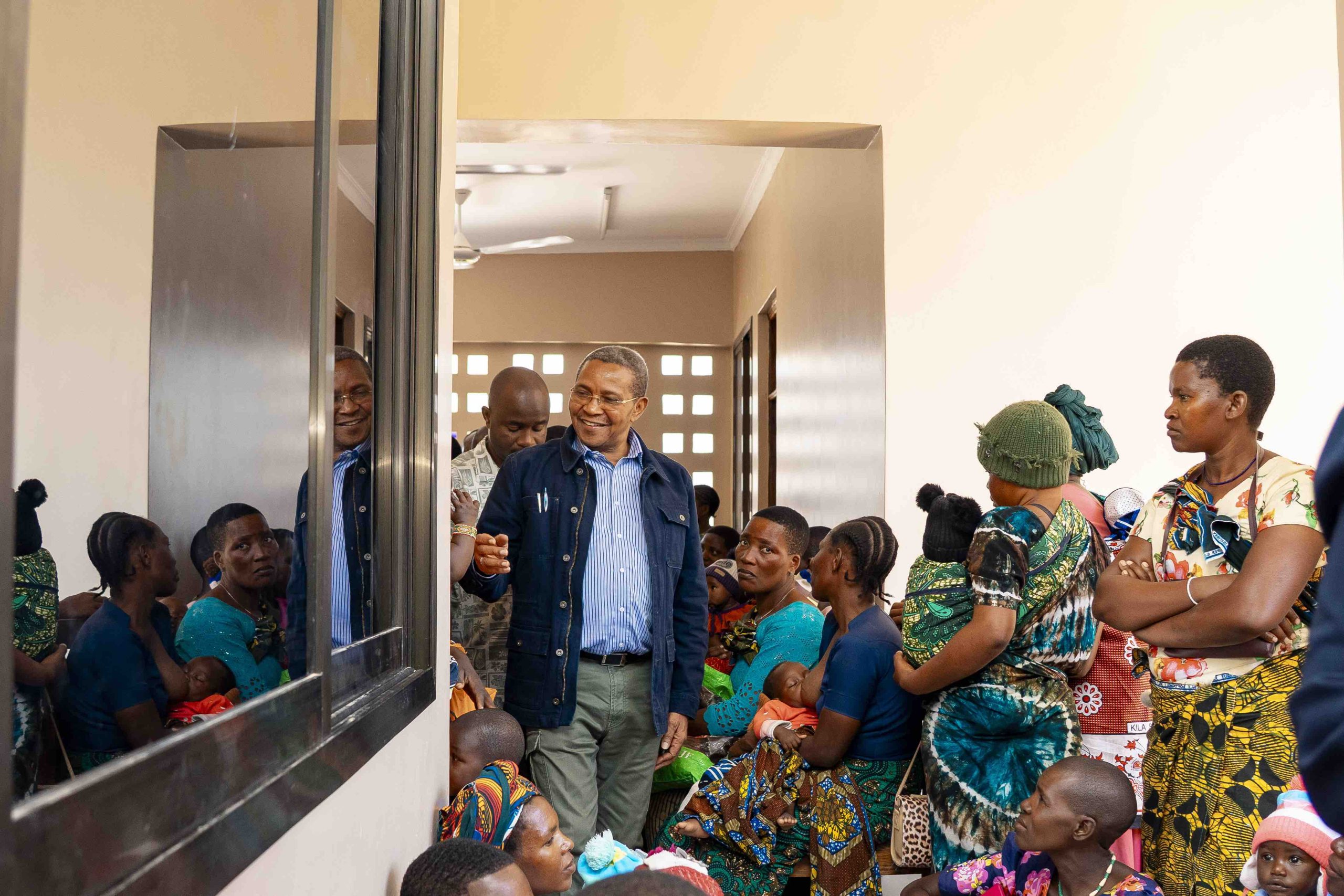
The Settlor and Chairman of the JMKF Board of Trustees, former President Dr Jakaya Mrisho Kikwete, recently undertook a four-day inspection tour of JMKF-supported health facilities in the remote villages of Ipembe in Sikonge District and Gengesita in Uyui District, Tabora Region. During the visit, he witnessed first-hand the Jamii Salama Project’s mobile antenatal services, two newly built dispensaries and four staff houses, which are helping bring essential maternal and child healthcare closer to underserved communities.
Between February and June 2025, the project’s mobile clinics reached 1,504 pregnant women against a target of 800, achieving 188 per cent of the target. Of those reached, 786 women—approximately 52 per cent—received antenatal care for the first time, while 1,255 underwent HIV testing. By 13 June 2025, the clinics had recorded 1,845 consultations, comprising 1,024 in Uyui and 821 in Sikonge, through outreach services covering 25 sites. For families in these communities, these results represent shorter journeys, earlier detection of complications and better access to care, while the permanent facilities provide a foundation for sustained services closer to home.
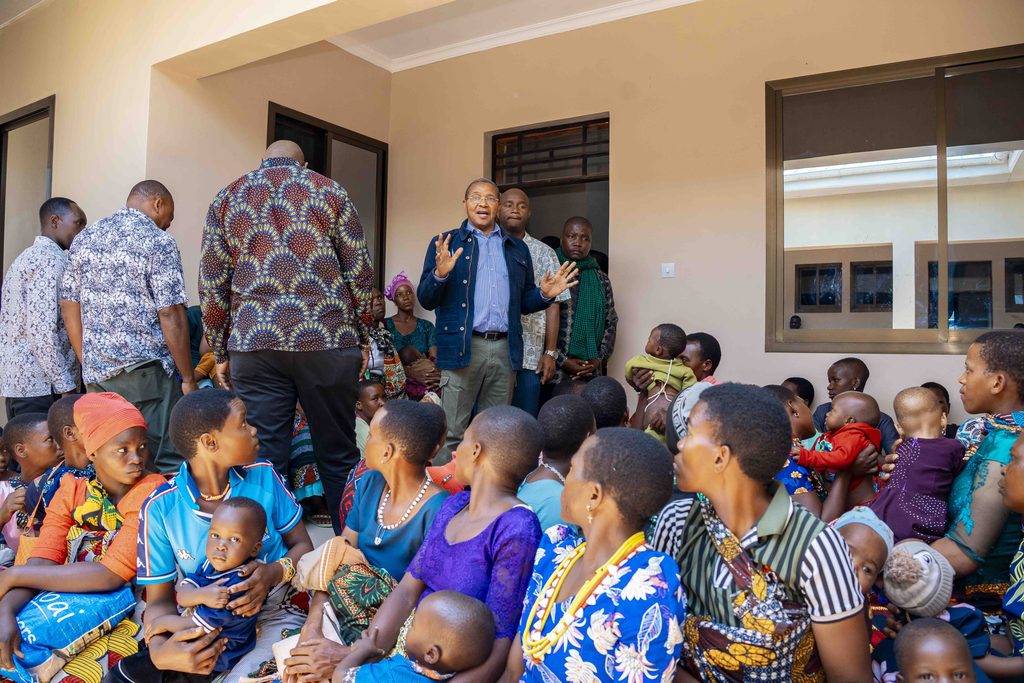
Settlor and Chairman of the JMKF Board of Trustees, Former President Dr Jakaya Mrisho Kikwete, talks with mothers attending the antenatal clinic at the new Gengesita Dispensary in Uyui District during his recent four-day inspection tour of JMKF-supported health facilities in remote villages of Tabora Region.
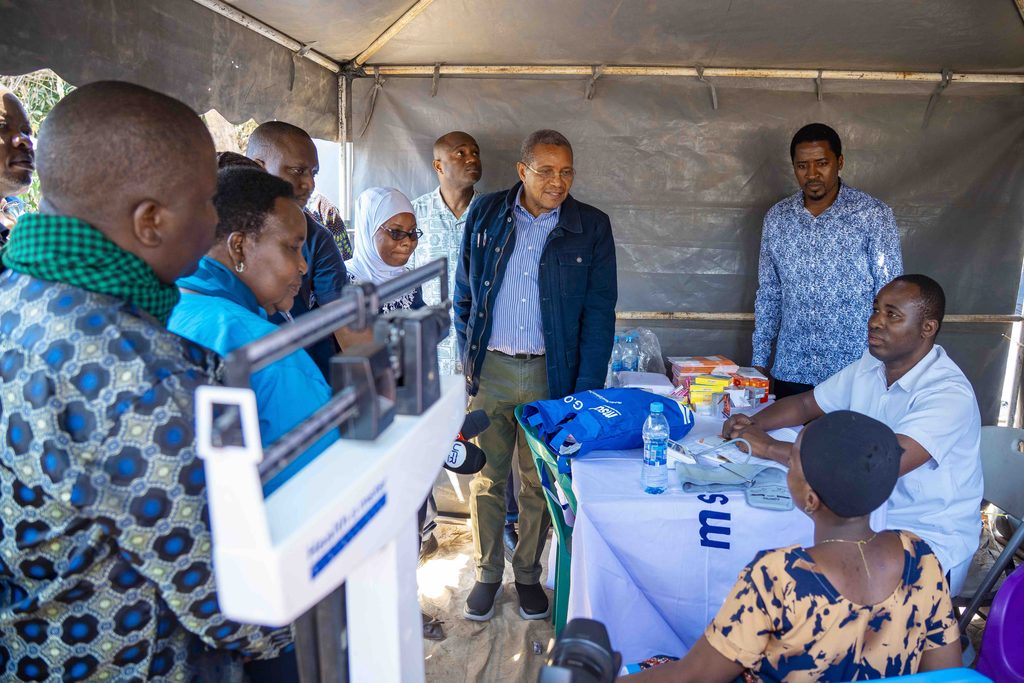
Settlor and Chairman of the JMKF Board of Trustees, Former President Dr Jakaya Mrisho Kikwete, inspects how mothers are attended to at a Jamii Salama antenatal Mobile clinic at Gengesita in Uyui District during his recent four-day inspection tour of JMKF-supported health facilities in remote villages of Tabora Region.
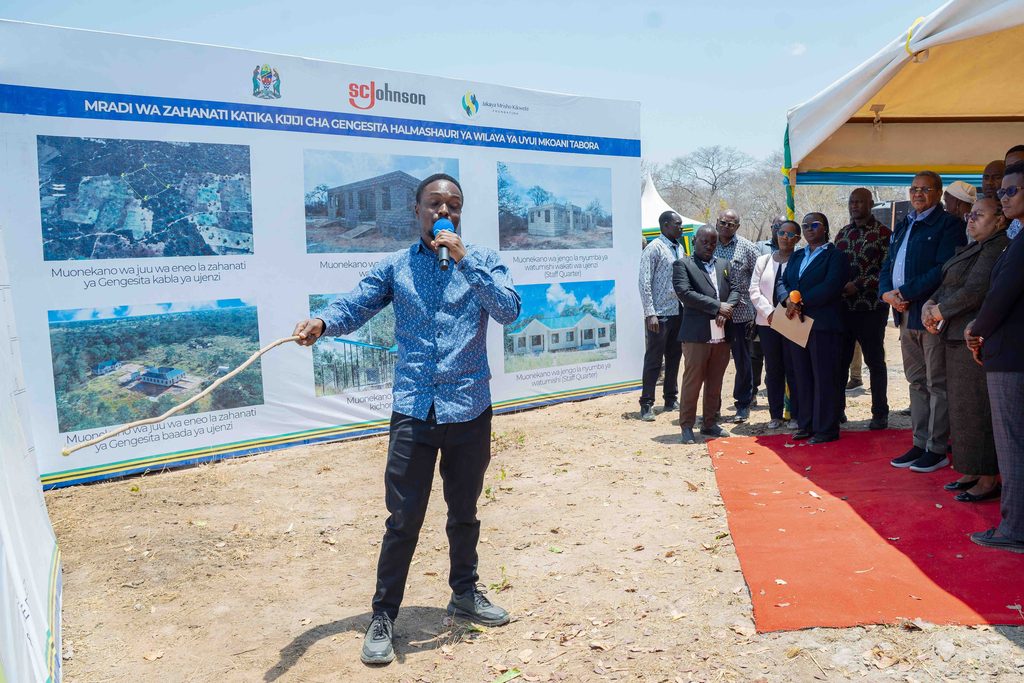
Settlor and Chairman of the JMKF Board of Trustees, Former President Dr Jakaya Mrisho Kikwete, is shown the layout of the new dispensary at Gengesita in Uyui District during his recent four-day inspection tour of JMKF-supported health facilities in remote villages of Tabora Region. Each dispensary includes outpatient, maternal and child health, maternity and sanitation facilities. The staff houses are intended to help retain qualified health professionals in villages where suitable accommodation has previously been difficult to find.
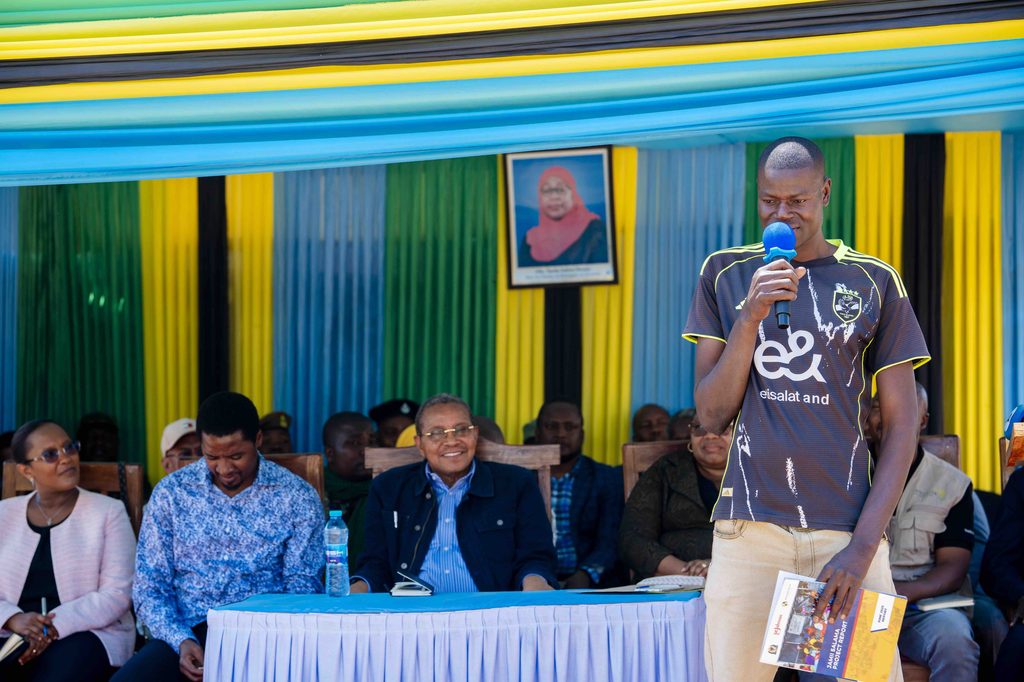
Paulo Lutema Majegelo recounts how his wife, Anna Theophile James, attended a Jamii Salama mobile antenatal clinic when she was seven months pregnant. Medical examinations revealed severely low blood levels, high blood pressure and what initially appeared to be a twin pregnancy.
Anna went into labour while travelling by bicycle to seek medical care and delivered triplets—one boy and two girls—at a dusty village home with assistance from a Good Samaritan. When she later developed life-threatening convulsions, the Jamii Salama team intervened by stabilising her and later rushed her to Tabora Regional Referral Hospital. Anna and all three babies survived against all odds.
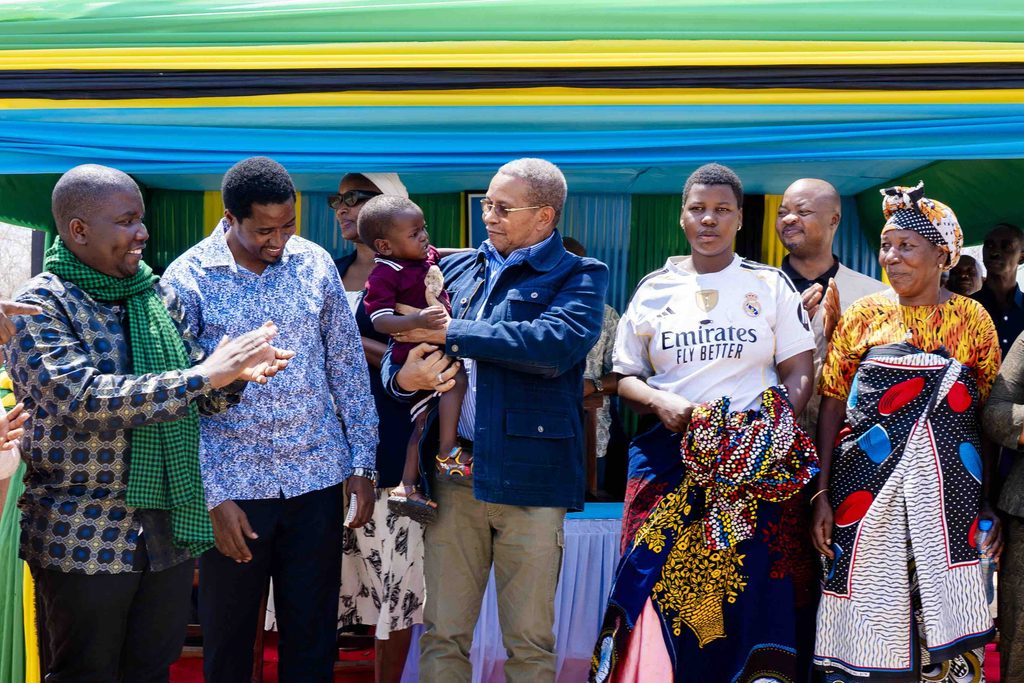
Settlor and Chairman of the JMKF Board of Trustees, Former President Dr Jakaya Mrisho Kikwete, happily carries little Jakaya alongside the boy’s 22-year-old mother, Mariam of Nyankombe. Mariam had never attended antenatal care because the nearest health facility was approximately 30 kilometres from her village. When a Jamii Salama mobile clinic reached the community, health workers discovered that she was already in labour. They immediately transported her to Miyenze Dispensary, where she safely delivered her son.
Mariam and little Jakaya’s story expresses the project’s purpose more powerfully than statistics ever could: bringing healthcare closer can mean the difference between a preventable tragedy and a healthy mother returning home with her child.
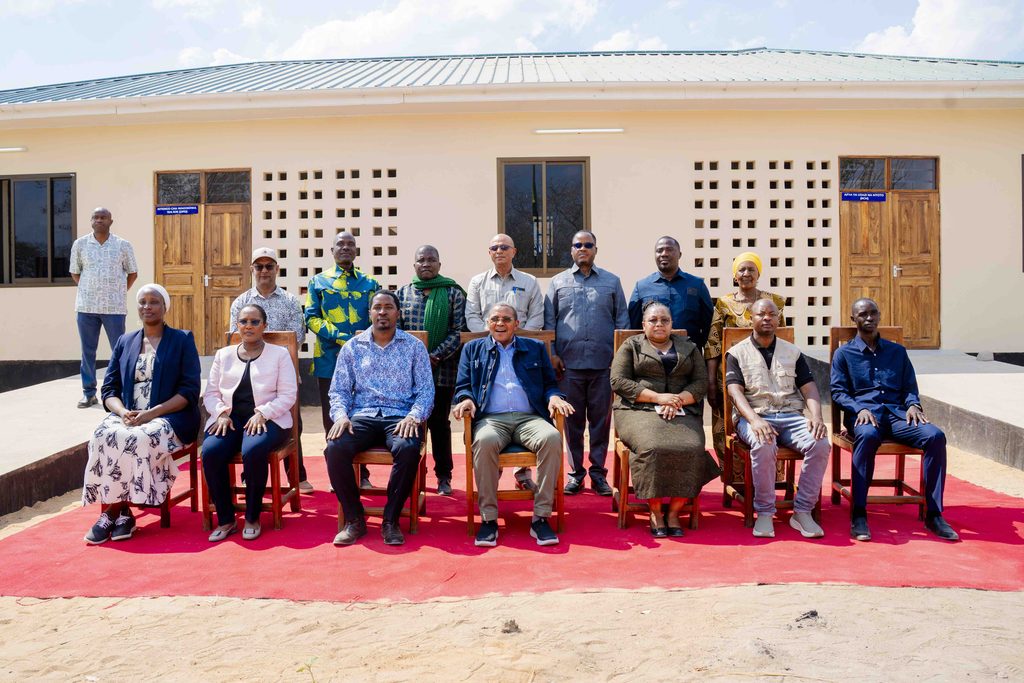
The Settlor and Chairman of the JMKF Board of Trustees, former President Dr Jakaya Mrisho Kikwete; Deputy Minister in the President’s Office – Regional Administration and Local Government (TAMISEMI), Dr Jafar Seif; and Deputy Permanent Secretary, Prof. Tumaini Nagu, pose with Members of Parliament and other Tabora Region leaders at the newly constructed Gengesita Dispensary in Uyui District during Dr Kikwete’s recent four-day inspection tour of JMKF-supported health facilities in remote villages across the region.
The strong turnout of stakeholders from different institutions underscores the Foundation’s collaborative approach, bringing together government officials, elected representatives, local authorities and community leaders to expand access to essential healthcare. Their participation reflects the shared commitment and local ownership that help turn the Foundation’s initiatives into lasting benefits for the communities they serve.